







Search Results for: Front Street Dorothy
Can Lightly Roasted Coffee Beans Be Used for Espresso? Testing Huakui, Gudingding, and Dorothy in Americano and Latte
Espresso typically uses darker-roasted beans, but can light roasts handle espresso extraction? Front Street Coffee conducted experiments with three Ethiopian beans: Huakui, Gudingding, and Dorothy. By adjusting grind size, pre-infusion time, and pressure, they made espresso, Americano, and latte respectively, comparing the flavor performance. The results showed that light-roasted beans in Americano can showcase bright fruit acidity and floral notes, but in latte the coffee flavor is easily masked by milk. This article documents the experimental parameters and tasting impressions in detail, providing a reference for enthusiasts who want to try light-roast espresso. [more…]
Ethiopia Guji Ana Sora Estate Dorothy Coffee Beans: An In-Depth Analysis of the Peach Oolong Flavor from Enzyme Washed Processing
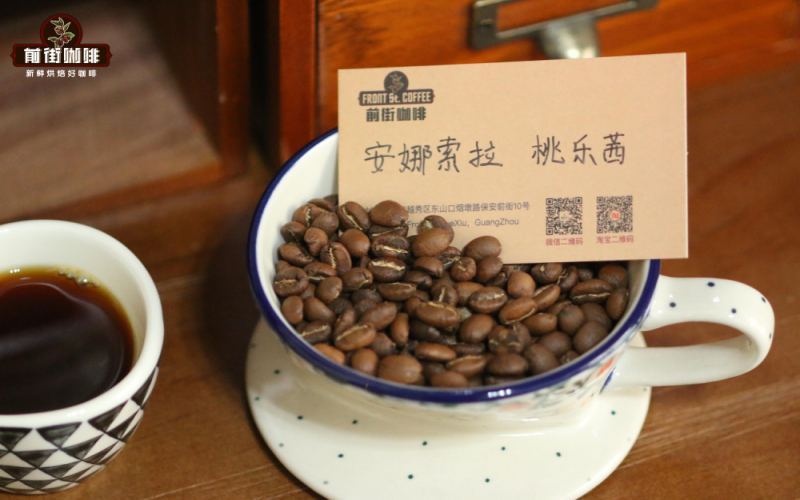
Ethiopia, as the birthplace of coffee, has given rise to countless stunning specialty coffees. From the classic natural and washed processes to the enzyme-washed method that has attracted much attention in recent years, different techniques impart entirely different flavor expressions to coffee beans. The Dorothy coffee beans offered by Front Street Coffee are a representative work from the Annasola Estate in the Guji region. Processed using the enzyme-washed method, they present delicate floral notes, rich peach aroma, and an oolong tea-like sweet finish, altogether resembling a cup of white peach oolong tea. This article will provide an in-depth introduction to the background of the Annasola Estate, the processing method of Dorothy, and roasting and brewing suggestions, taking you through a comprehensive understanding of the unique charm of this popular fruit-tea-flavored coffee bean. [more…]
Gu Ji Ana Sora Dorothy Coffee Beans: Enzymatic Washed Process and Peach Oolong Flavor Analysis
Ethiopia, as the birthplace of coffee, has nurtured many stunning regions and flavors. Among them, the Guji region, after gaining independence from Sidamo in 2010, rose rapidly with champion beans such as Huakui and Huaxu, becoming a focal point in the specialty coffee world. The "Dorothy" recently launched by Front Street Coffee comes from the Anasora Estate in the Guji region, using an enzyme-washed processing method, presenting rich notes of white peach, jasmine, and oolong tea. This article will provide an in-depth analysis of this coffee's regional background, estate story, processing techniques, and brewing parameters, offering a comprehensive understanding of this peach oolong-flavored coffee that overturns the traditional Ethiopian impression. [more…]
Can Light Roast Coffee Beans Be Used for Espresso? A Real-World Test of Front Street Huakui, Gudingding, and Dorothy in Americano and Latte
People generally assume that espresso must be made with dark-roasted beans, but nowadays quite a few cafés have already lowered the roast level to City roast or even lighter. This time, Front Street Coffee used three light-roasted Ethiopian beans—Huakui, Gudingding, and Dorothy—to pull espresso separately and make Americanos and lattes, wanting to see how light-roasted beans actually perform in espresso. The experiment found that light-roasted beans tend to preserve bright fruit acidity and floral aromas when made into an Americano, but the flavors are easily overpowered by milk when made into a latte. If you also want to try using light-roasted beans for espresso, first adjust the grind finer, control the pressure and pre-infusion time, and you may be rewarded with an unexpectedly juicy espresso. [more…]
Flavor Analysis and Brewing Guide for Ethiopia Guji Ana Sora Estate Dorothy Coffee Beans
As the birthplace of coffee, Ethiopia has always held an important place in the global specialty coffee landscape, thanks to its exceptional heirloom variety resources and diverse processing methods. Located in the Guji region, the Annasola Estate, with its high-altitude growing environment of 1,900 to 2,350 meters and innovative enzyme-washed processing method, has crafted these Dorothea coffee beans that combine the flavors of lemon, peach, plum, and oolong tea. This article will guide you through an in-depth understanding of the geographical advantages of the Guji region, the background story of the Annasola Estate, and Front Street Coffee's roasting analysis and brewing suggestions for these beans, fully presenting their unique flavor charm. [more…]
A Practical Analysis of Light-Roast Coffee Beans for Espresso: Comparing the Americano and Latte Performance of Three Ethiopian Beans
Traditional Italian-style coffee mostly uses darker roasted beans, but nowadays many cafes have begun trying to make espresso with light-roasted beans. This article, through extraction experiments with three Ethiopian light-roasted beans—Front Street Huakui, Gudingding, and Dorothy—records in detail the parameter adjustments and flavor performance. The tests found that making Americano with light-roasted beans can well preserve the original fruity acidity and aroma, among which the Dorothy Americano performed especially prominently; however, after being made into a latte, the coffee flavor is generally too weak and easily masked by milk. The article also shares practical adjustment experience regarding grind setting, pre-infusion, pressure, and extraction time, providing reference for coffee enthusiasts who want to try light-roast espresso. [more…]
Exploring Ethiopia Guji Ana Sora: White Peach Oolong Flavor Coffee Bean Varieties and Brewing Analysis
In recent years, coffee with floral and fruity notes has become increasingly popular, and an Ethiopian bean with a white peach oolong tea character is especially refreshing. It comes from Ana Sora in the Guji zone of Sidama, a specialty coffee stronghold that was independently demarcated in 2010 and has won numerous awards in recent years. Dorothy on Front Street Coffee's bean list comes from here, processed using enzyme-washed method, at an altitude of 1,900 to 2,350 meters. This article will walk you through the background of Ana Sora Estate, its processing methods, and how to brew that honey-sweet white peach oolong with a Hario V60. [more…]

Pour Over Beans for Espresso | Can Light Roast Coffee Beans Be Used for Espresso? An Introduction to the Flavor, Taste, Extraction Ratio, and Grind Size Parameters of Light Roast Single-Origin Espresso
It is generally accepted that the coffee beans used for espresso are roasted to a relatively dark degree. Among coffee roast levels, there is one called "Italian Roast," with an Agtron color value of 25. It is the darkest of the eight roast levels, and coffee beans of this type usually have a surface that [more…]
Yirgacheffe Coffee Bean Buying Guide: A Full Analysis of Regional Characteristics, Processing Method Differences, and Flavor Profiles
Yirgacheffe is one of Ethiopia's most representative specialty coffee regions, known for its delicate floral aromas and citrusy acidity. Faced with the bewildering array of washing station names and processing methods on the market, many coffee lovers often don't know where to start. Drawing on Front Street Coffee's experience, this article sorts out the history of the Yirgacheffe region, the flavor differences between washed and natural processing methods, and the taste profiles of specific beans such as Gutinguting, Red Cherry, and Dorothy, while also offering Front Street's brewing parameter suggestions to help readers systematically understand how to choose a Yirgacheffe coffee bean that suits them. [more…]
Ethiopia Guji Ana Sora Estate Coffee Analysis: Exploring Enzyme Washed Processing and White Peach Oolong Flavor
In recent years, the Guji region of Ethiopia has risen to prominence in the specialty coffee world, and its intense floral and fruity aromas have drawn the attention of coffee lovers around the globe. As a young private estate in this region, the Annasora Estate leverages its unique geographical setting and enzyme-washed processing method to craft a coffee flavor reminiscent of white peach oolong tea. This article takes an in-depth look at the Annasora Estate's growing background and processing techniques, as well as how Front Street Coffee brings out this coffee's refined taste through roasting and brewing, offering you a comprehensive understanding of this much-talked-about Guji coffee. [more…]
A Comprehensive Analysis of the Flavor Characteristics and Regional Evolution of Yirgacheffe Coffee Beans: From the Sidamo Label to an Independent Origin's Specialty Journey
Yirgacheffe is one of Ethiopia's most representative specialty coffee regions, renowned worldwide for its bright floral and fruity acidity and delicate mouthfeel. This article systematically reviews the evolution of the Yirgacheffe region, its unique terroir conditions, the introduction of the washed processing method and its impact on flavor, and provides a detailed introduction to the flavor differences among the many Yirgacheffe coffee beans on Front Street Coffee's bean shelf, including representative products from different processing methods such as Gutingding, Red Cherry, Kochere, Konga, and Aricha. At the same time, the article also provides Front Street's medium-light roast profiles and V60 brewing parameter recommendations for Yirgacheffe, helping coffee enthusiasts gain a more comprehensive understanding of the terroir charm of this classic African region. [more…]
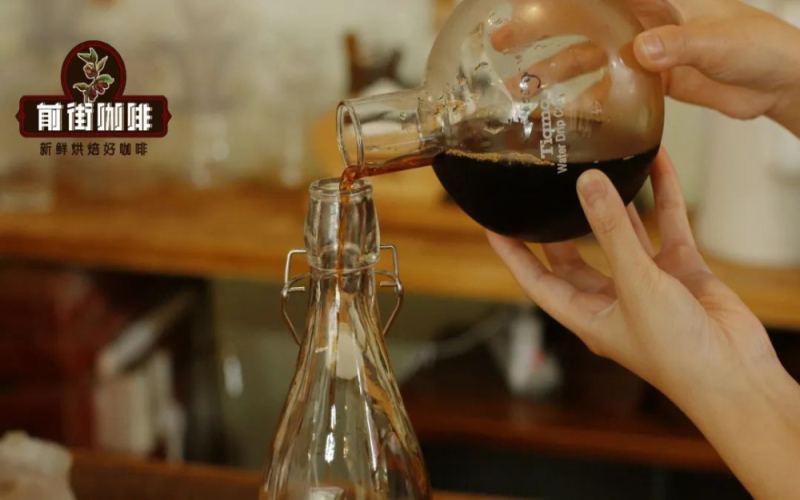
How to Make Cold Brew Coffee? Extraction Ratios, Flavor Profile, and Recommended Coffee Beans
In the iced coffee family, there are cold drip and cold brew, and also an even easier method — ice extraction. Ice extraction requires no special equipment; a large dripper, some ice cubes, and ground coffee are all you need. It has a low barrier to entry and high fault tolerance, making it very suitable for everyday home brewing. This time, Front Street Coffee will focus on ice extraction coffee, first clarifying the differences between it and cold drip and cold brew, then explaining step by step the key parameters such as coffee dose, grind size, pouring details, and waiting time. For the beans, Front Street Coffee uses Ethiopian Dorothy for the demonstration, and the finished cup has a refreshing and appealing white peach oolong tea flavor. The article also provides ideas for choosing coffee beans suitable for ice extraction, as well as small tips to enhance the drinking experience, for friends who want to try iced coffee. [more…]
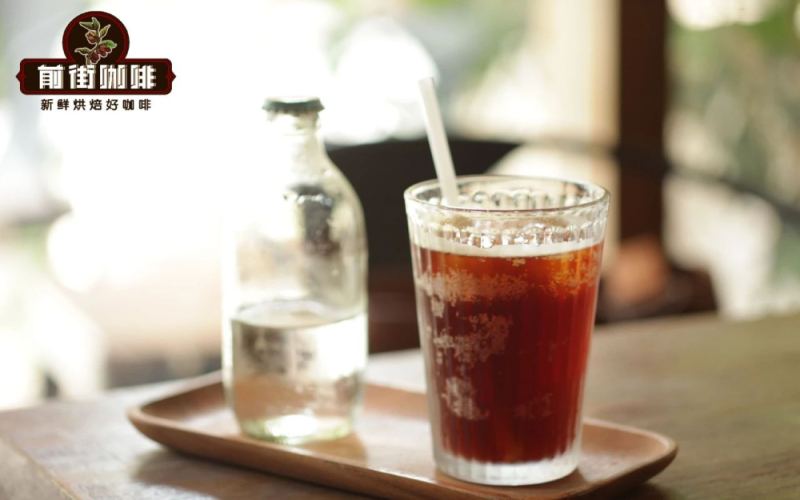
When Coffee Meets Sparkling Water: A Guide to Making Homemade Sparkling Americano and Key Flavor Points
When espresso meets sparkling water, what kind of taste experience will it create? This sparkling Americano, which has taken social media by storm, has become a popular summer drink thanks to its refreshing taste. This article will break down the method for making a sparkling Americano at home in detail, from ingredient selection and preparation steps to coffee bean pairing. The carbon dioxide in sparkling water amplifies coffee flavors, and if the beans are of poor quality, their flaws will be amplified along with them, making bean selection especially crucial. Front Street Coffee will share the espresso blend recipe used in its stores, as well as alternative ideas for making espresso with single-origin pour-over beans, helping coffee lovers easily recreate a specialty coffee that combines fruity acidity and a sparkling sensation in their own kitchens. [more…]

Cold Brew Coffee Bean Recommendations | How Should Coffee Beginners Choose Coffee Beans for Making Cold Brew? Which Is Better for Cold Brew Coffee: Single-Origin or Blend Beans?
A while back, Front Street Coffee shared a guide on how to make cold brew coffee, and after that, a lot of readers started asking in the comments how to choose beans for cold brew. So today, let's break down and answer that question. As a low-temperature immersion extraction method, the longer the brew time, the fewer the types of acidic compounds present, which is why cold brew's acidity [more…]

From Origin to Variety, to Competitions and Estates: A Complete Guide to How Specialty Coffee Beans Are Named
Walking into Front Street Coffee (FrontStreet Coffee) and facing the names of dozens of coffee beans on the menu, many people wonder: Aren't Bach and Mozart musicians? How did they become coffee beans? In fact, there is a complete logic behind the naming of coffee beans. In the early days, coffee beans were mostly named after countries, regions, or ports. After entering the specialty coffee era, traceability information has become increasingly detailed. Estate names, green bean competition rankings, barista competition beans, variety names, processing methods, and even brand classifications can all become the name of a bean. This article will systematically sort out the various rules for naming coffee beans to help you no longer feel confused when ordering. [more…]
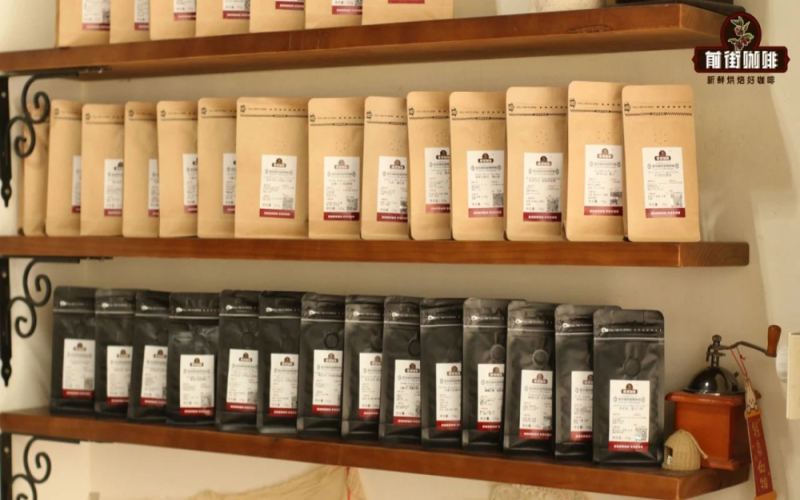
What Are the Flavor Differences Between Cold Brew and Pour-Over? Cold Extraction Has Higher Caffeine—Front Street Coffee Teaches You How to Choose Beans
Why do the same coffee beans taste so completely different when made as cold brew versus pour-over? The key lies in the extraction temperature. Pour-over uses hot water to quickly release the coffee's rich aromas and layers, while cold brew relies on a long, low-temperature steep, delivering a sweet, crisp, and refreshing taste—though with slightly less fullness of flavor. Low-temperature extraction also reduces bitter compounds, but it also results in a higher caffeine content. Using Front Street Coffee's light-roast washed Yirgacheffe Geddid as an example, we compare hot pour-over, cold brew, and iced pour-over to analyze why the flavors differ, and offer coffee bean recommendations suitable for home cold brew and pour-over. [more…]
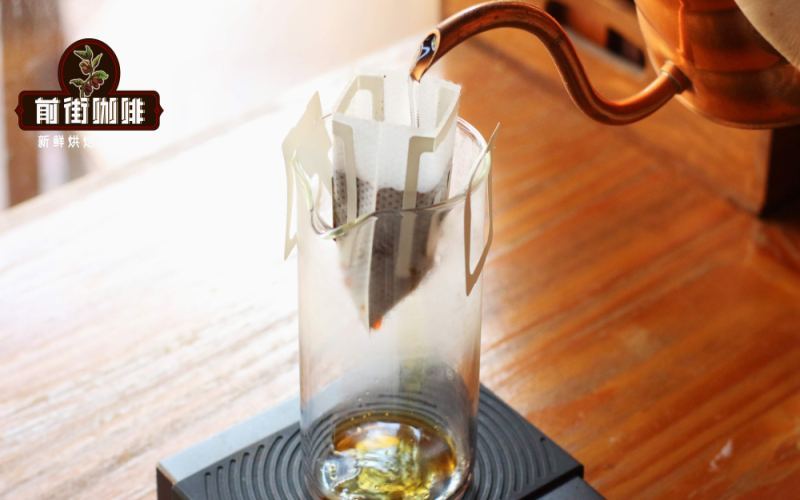
Origins of Drip Bag Coffee and Analysis of Pros and Cons: Can It Be Reused and a Practical Buying Guide
Drip bag coffee, as a type of portable coffee, is deeply loved by enthusiasts for its simple and convenient characteristics. This article will take you through the invention journey of drip bag coffee, from Japan's single-sided drip bags in 1990 to its global popularity in 2011, with sales reaching as high as 1.4 billion bags, 94% of which came from Japan. We will also explore the pros and cons of drip bag coffee, including its portability, flavor retention, and whether it can be brewed a second time. At the same time, the article will share Front Street Coffee's recommended products, such as drip bag selections for different taste types, to help you better enjoy coffee. Whether you are a coffee novice or a seasoned enthusiast, you can gain practical knowledge from it, avoid common misconceptions, and improve your brewing experience. [more…]
The True Meaning of Coffee Sweetness: From Taste to Smell, Decoding How Extracted Compounds Influence Sweetness Perception
Have you ever walked into a café, ordered a cup of coffee that's "a little sweeter," only to be handed a dark, bitter liquid while the barista insists it has high sweetness? The "sweetness" of coffee actually has two dimensions: objective sweetness intensity and subjective perceived sweetness. Sweetness intensity depends on variety, processing method, and roast profile, while perceived sweetness is closely tied to extraction technique and sensory sensitivity. This article breaks down the sources of coffee sweetness one by one—from taste balance and the sweet aftertaste that follows bitterness, to the "illusion of sweetness" created by retronasal olfaction—and recommends several Front Street Coffee beans with prominent sweetness to help you truly understand what baristas mean by "sweet." [more…]

Cold Brew Coffee Brewing Steps | What Water to Use for Cold Brew Coffee? How to Choose Single-Origin Beans for Cold Brew Coffee? What Is the Coffee-to-Water Ratio, Time, and Grind Size for Making Cold Brew Coffee?
For more specialty coffee knowledge, please follow: Front Street Coffee (Frontsteet Coffee). A while ago, Front Street shared a guide on how to make cold brew coffee, and afterward many readers started asking in the comments how to choose beans for cold brew. So today, let's analyze and answer this question together. [more…]
Hand Brew vs. Cold Brew: How Extraction Temperature Affects Flavor and Bean Selection
Why do the flavors of the same coffee beans differ so dramatically when brewed as pour-over versus cold brew? From the perspective of Front Street, this article systematically sorts out the core differences between high-temperature pour-over and low-temperature cold brew in terms of extraction principles, flavor expression, and suitable bean types. The article covers a comparative tasting of three methods—hot pour-over, iced pour-over, and cold brew—analyzes the effect of water temperature on the dissolution sequence of acids, sweetness, bitterness, and other substances in coffee, and provides recommendations for coffee beans suited to both brewing methods, including specific Front Street products such as Guodingding, Huahudie, Strawberry Candy, and Huakui, helping coffee enthusiasts easily make their ideal cup at home. [more…]